Authentic Japanese Collectibles: How to Track New Releases
Securing authentic Japanese collectibles requires more than just luck; it demands a systematic approach to monitoring the rapid-fire release cycles of the Japanese market. Whether you are hunting for figures tied to the upcoming fourth season of PuniRunes, debuting October 4, or anticipating the merchandise fallout from the Haruhi Suzumiya and Hatsune Miku crossover project, the ability to act before stock vanishes is your primary advantage. This guide is for dedicated collectors who want to move beyond passive browsing and build a collection defined by provenance and release-day access. By understanding how to link anime announcements—like the January 2027 release date for the Arcanadea anime—to the subsequent product pipeline, you ensure that your collection remains current and authentic.
Why It Matters Right Now
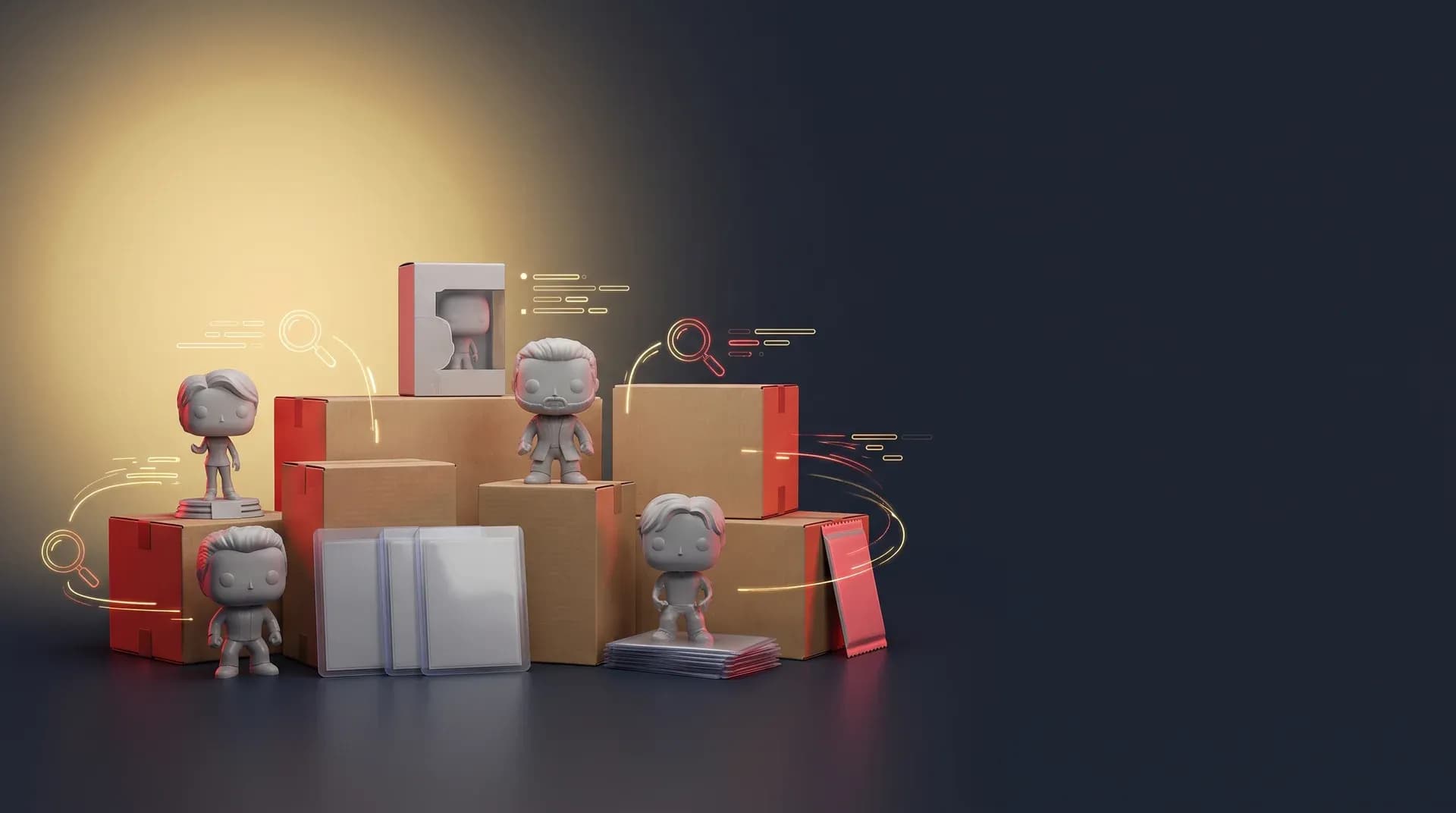
!Why It Matters Right Now visual for Authentic Japanese Collectibles: How to Track New Releases Figure 1: Why It Matters Right Now
The landscape for authentic Japanese collectibles is shifting toward shorter, high-intensity release windows. When creators like Gege Akutami release new illustrations for events such as the Jujutsu Kaisen final exhibition, the window for securing associated exhibition-exclusive goods is often measured in days, not months. These items are rarely restocked, making the initial release phase the only viable time to acquire them at a standard collector price. In the modern era of "hype culture," the transition from a product announcement to a "Sold Out" status can happen in under 60 seconds for high-profile items like the Metal Build series from Bandai or the Wonder Festival (WonHobby) exclusives.
Furthermore, collaborations are becoming increasingly eclectic and limited. The recent partnership between Family Mart and the estate of sumo legend Chiyonofuji for a Convenience Wear collection highlights a trend where everyday retail items become highly sought-after cultural artifacts. According to SoraNews24, these collaborations leverage deep-rooted cultural icons, making them distinct from mass-market merchandise. If you wait for secondary market listings, you are already paying a premium for an item that was designed to be accessible.
Monitoring these niche announcements allows you to identify which items are worth the effort of sourcing directly from Japan before the hype cycle inflates their scarcity. The secondary market premium for high-demand items often hits 200% to 400% of the original retail price within just 48 hours of an item selling out in Japan. For example, a 15,000 JPY scale figure can easily jump to 45,000 JPY (approx. $300 USD) on sites like eBay or Mercari US as soon as the pre-order window closes. By understanding the logistics of authentic Japanese collectibles, you are essentially saving hundreds of dollars per item.
The Play: Step-by-Step
!The Play: Step-by-Step visual for Authentic Japanese Collectibles: How to Track New Releases Figure 2: The Play: Step-by-Step
1. Establish a Primary News Feed
Stop relying on social media algorithms. To get the "upstream" data, you must monitor the primary Japanese-language sources where manufacturers drop press releases before they hit English-language blogs. Your daily workflow should be:
- The Big Three: Bookmark Dengeki Online, Mantan Web, and Famitsu. These are the primary sources for official press releases.
- RSS Aggregation: Use Feedly to create a folder titled "JP Collectibles." Add the RSS feeds for these sites and filter by keywords like "フィギュア" (Figure), "グッズ" (Goods), or "一番くじ" (Ichiban Kuji).
- The Translation Layer: Install the "Yomichan" browser extension. When a headline drops, hover over the text to capture the specific release date (e.g., 10月4日) and the pre-order start time (e.g., 12:00 JST). If you see "予約開始" (Pre-order Start), you have roughly 24-48 hours before the window opens.
2. Cross-Reference with Manufacturer Calendars
Don't just browse; audit. Most collectors fail because they rely on retailers rather than the source. You need to maintain a "Pre-order Master Sheet" (Google Sheets) that tracks specific release dates directly from the source.
- Good Smile Company: Use their Partner Shop list to see which retailers are authorized for specific exclusives.
- Premium Bandai: Create an account now. Many items are "Made-to-Order" (受注生産 - Juchu Seisan). If you miss the window, they will never be produced again.
- The Data Points: Your spreadsheet must include: JAN Code (the 13-digit barcode, which is the only way to search Mercari JP for the exact item later), Release Window (Month/Year), and Pre-order Start Date (JST). Convert the JST time to your local time immediately using a tool like TimeAndDate.com to avoid missing the midnight-JST drops.
3. Monitor Exhibition Portals and the "Lottery" System
For major hits, keep a recurring calendar alert for official exhibition websites. As noted by Anime Corner, creator-led events often feature limited-run prints and goods. Check these sites 30 days before the event start date.
Often, these events utilize a "Lottery System" (抽選 - Chūsen) for high-end items. This is common for "Ichiban Kuji" (lottery prize) high-tier figures or exclusive event merch. You must register on the event website or a platform like LivePocket or e-plus during the designated 3-to-5-day window to even have the chance to purchase.
If you are an overseas collector, you will likely need a proxy service that offers "Lottery Entry" services. Be prepared to pay a non-refundable entry fee (usually 500-1,000 JPY) just for the service of having someone in Japan enter the drawing for you. Set a calendar reminder 45 days out to check if a lottery application is required, as missing the registration window is the most common mistake for international collectors.
4. Leverage Japanese Convenience Store News (Combini Collabs)
For collaborations like the Family Mart x Chiyonofuji collection, look for the 'Campaign' (キャンペーン) or 'Collaboration' sections on major Japanese convenience store websites: Lawson, 7-Eleven, and Family Mart.
These items are often region-locked or store-exclusive. The most famous of these is Ichiban Kuji. Each ticket usually costs between 700 JPY and 900 JPY. The prizes range from "A Prize" (usually a high-quality figure) to "G Prize" (keychains or folders).
The "Last One" Prize Strategy: Every Ichiban Kuji box has a "Last One" prize—a unique variant given to the person who buys the very last ticket in the box. If you are tracking a specific release, use Twitter (X) and search for the hashtag of the lottery (e.g., #一番くじ) to see which stores still have stock. You can then direct your proxy service to purchase the remaining tickets if the count is low (e.g., 10 tickets remaining), securing both the remaining prizes and the coveted Last One prize.
5. Verify Authentication Markers
Before committing to a purchase, confirm the manufacturer's official branding. Authentic Japanese collectibles almost always feature specific holographic stickers or copyright stamps on the packaging.
- Toei Animation: Look for the gold or silver cat sticker with a small map of Japan. The color of the sticker often denotes the region it was intended for (Gold usually means Japan domestic).
- Sunrise/Bandai: Look for the silver "Blue Bandai" logo or the holographic "Tamashii Nations" seal.
- Kadokawa/ASCII Media Works: Often feature a small holographic sticker with the publisher's logo.
Use official product images from the manufacturer's site to compare against the listing you are viewing. Pay close attention to the font on the box and the quality of the paint job in the photos. If the listing uses stock photos instead of photos of the actual item, check the seller’s feedback score for "Authenticity" (本物 - Honmono) ratings specifically. Avoid listings that ship from regions known for bootlegs if the item is significantly under MSRP.
6. Execute the Purchase via Proxy or Forwarder
Once you have identified the item, choose your weapon of acquisition.
- Proxy Services (Buyee, ZenMarket, Neokyo, FromJapan): They buy the item for you. This is best for Mercari Japan, Yahoo Auctions, or stores that don't accept foreign credit cards. They charge a flat fee (usually 300-500 JPY per item) plus a consolidation fee.
- Forwarding Services (Tenso, Blackship): They provide you with a Japanese address. You buy the item yourself using your credit card (if the store allows it) and ship it to their warehouse. This is often cheaper if you are buying many items from a single store like Premium Bandai.
If the item is a pre-order, place it immediately. If it is an in-store release, coordinate with your proxy service at least one week before the launch date. Provide them with the exact URL, the product variant (e.g., "Type A" or "Size L"), and a maximum bid or purchase limit. Always account for the "Total Cost of Ownership":
- Item Price (e.g., 10,000 JPY)
- Proxy Fee (e.g., 500 JPY)
- Domestic Shipping (From store to proxy warehouse, usually 600-800 JPY)
- International Shipping (From Japan to you, usually 3,000-7,000 JPY for a standard figure)
- Payment Fees (usually 3.5% for currency conversion)
Real-World Example: The "Hatsune Miku x Haruhi Suzumiya" Figure Hunt
Let’s look at a concrete workflow for a collector targeting a high-demand crossover scale figure by Good Smile Company.
- Discovery (Month 1): The collector sees a teaser silhouette at the "Smile Fest" event. They immediately add a "Watch" entry to their spreadsheet. They note the anticipated manufacturer (Max Factory) and the franchise.
- Announcement (Month 2, Day 15): The official painted prototype is revealed. The pre-order date is set for the following Tuesday at 12:00 PM JST. The price is confirmed at 22,000 JPY.
- Preparation (Month 2, Day 18): The collector checks the "Exclusivity" list. This figure is a "GSC Online Exclusive," meaning it won't be on AmiAmi with a discount. They ensure their Tenso address is updated and their credit card has cleared the "International Transaction" flag with their bank.
- Execution (Month 2, Day 22, 12:00 PM JST): The pre-order opens. The collector logs in. Because it's an exclusive, the site experiences heavy traffic. They have the direct product URL ready (found via the GSC Twitter account minutes before). They complete the checkout within 4 minutes.
- The Wait (Months 3-10): The collector monitors their email for delay notifications. In Month 8, GSC announces a 2-month delay (common in the industry). The collector updates their spreadsheet.
- Arrival (Month 12): The item arrives at the forwarding warehouse. The collector chooses "EMS Shipping" for speed and insurance. The total shipping cost is 5,500 JPY.
- Outcome: The collector paid a total of 27,500 JPY (approx. $185 USD). By the time the figure arrives, the "Aftermarket" price on Solaris Japan is already 42,000 JPY ($280 USD). The collector saved nearly $100 and secured a guaranteed authentic piece with the official GSC holographic seal.
Caveats and Pro-Tips
The Re-release Risk: Not every item holds its value. If a figure is incredibly popular, manufacturers like Good Smile or Kotobukiya may announce a "Re-run" (再販 - Saihan) a year later. This usually causes the secondary market price of the first edition to crash. If you missed a release, sometimes it pays to wait 6-12 months to see if a re-release is announced before paying 3x the price to a reseller.
Shipping Inflation: Since 2023, international shipping rates from Japan (especially EMS and DHL) have risen significantly. A large "1/4 Scale" figure can cost upwards of 15,000 JPY ($100 USD) just to ship. Always factor the box size into your budget. If you are on a budget, look for "Surface Mail" (Sea Freight) options, which take 2-3 months but cost 60% less than air mail.
The "AmiAmi Pre-owned" Hack: If you miss a release, check the AmiAmi Pre-owned section daily at 10:00 AM JST. They often list "Condition A/Box B" items (unopened items with minor box wear) for near-retail prices, even for sold-out figures. Use the site's search filter for "Pre-owned" and sort by "New Arrivals."
Action Items
- Week 1: Setup. Create a Feedly account and add the RSS feeds for Dengeki Online and Good Smile Company. Subscribe to the "Premium Bandai" newsletter (even if you need a translation tool to read it).
- Week 2: Tracking. Start your 'Release Tracking' spreadsheet. Find 3 items coming out in the next 6 months that you want. Find their JAN codes on HobbySearch.
- Week 3: Testing. Create an account on a proxy service like ZenMarket or Neokyo. Buy one small, non-limited item (like a 500 JPY keychain) to go through the entire process of domestic shipping, consolidation, and international shipping. This "dry run" ensures you won't fumble when a high-stakes drop happens.
- Ongoing: Community Pulse. Join the /r/AnimeFigures subreddit or a dedicated Discord for the franchise you collect. Crowdsourced information is often the fastest way to find out if a pre-order has suddenly gone live on a niche site like Asobi Store or Ebten.
By moving from a "reactive" buyer to a "proactive" tracker, you ensure that your collection of authentic Japanese collectibles is built on strategy rather than luck. For more deep dives into specific manufacturer quality and shipping logistics, check out our latest updates at /newsletter.
KADO Japan