Build Your Japanese Collectibles Collection With Expert Tips
Build Your Japanese Collectibles Collection With Expert Tips
Building a high‑quality Japanese collectibles collection isn’t a game of chance; it’s a disciplined routine of spotting authentic releases, timing franchise waves, and mastering the quirks of Japan’s domestic market. Think of the difference between grabbing a mass‑produced “Totoro” key‑chain at a discount store and securing the 2025 limited‑edition Studio Ghibli hand‑painted Kiki’s Delivery Service enamel pin that sold out in Japan within 48 hours. This guide is for collectors who want to skip the middle‑man markup and bring genuine, Japan‑only items—like the “Spirited Away” Kasuga‑sama earrings or the upcoming 2027 Naruto Card Game starter decks—directly into their cabinets.
Recent shifts in the market, such as the Criterion Channel adding Neon Genesis Evangelion films to their rotation, highlight how renewed interest in classic anime frequently creates a ripple effect in the merchandise sector. When a franchise gains new visibility, the demand for high‑quality, authentic goods often outpaces supply. Similarly, the Naruto Card Game reveal ahead of its 2027 launch provides a clear timeline for collectors to prepare their research and budget. Acting on these developments early allows you to secure items before secondary‑market prices inflate due to scarcity.
Furthermore, niche releases like the new Spirited Away earrings featuring Kasuga‑sama demonstrate that Studio Ghibli remains a gold standard for detail‑oriented merchandise. These items are often produced in limited runs, making them prime targets for collectors who prioritize craftsmanship and rarity over sheer volume. By understanding these release cycles, you can transition from reactive buying to proactive collection building.
The Play: Step‑by‑Step
1. Master the Information Pipeline
Successful collection building starts with intelligence. Do not rely on third‑party aggregators or social media influencers who are often days behind. Instead, create a "collector’s dashboard" that acts as your early‑warning system.
- Official Portals: For Studio Ghibli, monitor the Donguri Kyowakoku (Acorn Republic) official store website daily. For card games, follow the Japanese‑language Twitter (X) accounts for the publishers (e.g., Bandai or Bushiroad). Do not rely on English translations; use your browser's auto‑translate feature to scan the raw Japanese press releases, as they often contain shipping dates and regional exclusivity details that English news outlets omit.
- Keyword Alerts: Set up specific Google Alerts or use tools like IFTTT to monitor for Japanese terms. Use terms like “限定” (Limited), “先行販売” (Pre‑sale), “予約開始” (Reservations Open), and “受注生産” (Made‑to‑order). The latter is a goldmine—it means the item is produced only based on the number of pre‑orders, guaranteeing you can get one if you act within the window.
- The Timeline: Most Japanese manufacturers announce products 60 to 90 days before the release date. If you see a product announcement today, you generally have a 4‑week window to secure a pre‑order before it sells out in domestic Japanese shops. If you miss the pre‑order window, your costs will typically rise by 30‑50 % as secondary‑market scalpers enter the fray.
2. Verify Authenticity Through Deep Inspection
Counterfeits are becoming increasingly sophisticated. To protect your investment, look for these specific markers:
- Licensing Holograms: Almost every authentic Ghibli or anime product will have a small, reflective silver or gold sticker on the packaging. These stickers often feature the studio’s logo or a series‑specific emblem (e.g., the Toei Animation sticker on One Piece goods). If the sticker is missing, blurred, or looks like a standard printed label without the holographic shimmer, proceed with extreme caution.
- Batch Codes: High‑end figures and collectibles often feature laser‑etched serial numbers on the underside of the base or on the inner flap of the box. Cross‑reference these with the manufacturer’s database if available. If you are buying a figure, check the box for the "Manufacturer's Date," which is a 4‑digit code indicating the production month and year. Counterfeits often have mismatched or generic dates.
- Material Quality: Japanese goods prioritize high‑quality plastics (PVC/ABS) or natural materials like wood and high‑grade metal. If a "limited edition" item feels unusually light, flimsy, or has a strong chemical odor, it is likely a low‑quality knockoff. Authenticity is often in the weight—authentic resin statues are significantly heavier and denser than their plastic‑molded counterparts.
3. Leverage Proxy Services Effectively
Buying directly from Japan is often the only way to pay retail prices.
- The Proxy Workflow: Register for a reputable proxy service (e.g., Buyee, ZenMarket, or FromJapan). These services provide you with a Japanese warehouse address. You purchase the item on a site like Yahoo! Auctions Japan or Mercari Japan, the seller ships it to the proxy, and the proxy inspects it for you before shipping it to your international address.
- Consolidation: Don't ship items individually. Most proxies offer a "consolidation" service where they hold your items for up to 30–45 days. You can buy a Ghibli puzzle in week one, a card set in week two, and a keychain in week three, then ship them all in one box to save on international shipping fees, which can otherwise reach 5,000–8,000 JPY per individual shipment. Pro‑tip: Always request "protective packaging" or "extra bubble wrap" at the consolidation stage; for a small fee of 500‑1,000 JPY, you save hundreds in potential damage repair.
- Customs Strategy: Be aware of your local de minimis threshold. In the US, for example, shipments under $800 usually clear customs without additional duties. Keeping your consolidated shipments under this value is a pro‑move to avoid unexpected government fees that can add 10‑25 % to your total cost unexpectedly.
4. Archival‑Grade Preservation
Once the item is in your hands, the goal is to prevent degradation. Below are concrete, collector‑tested steps:
- Trading Cards: Use Perfect Fit inner sleeves (model PF‑200) followed by a standard penny sleeve and a rigid top‑loader (e.g., Ultra Pro 100 mm). For high‑value cards, store them in KADOLINE UV‑protected magnetic cases (model UV‑M‑500). Maintain a humidity‑controlled storage box with a Sugoi digital hygrometer set to 40‑50 % RH; a small dehumidifier like the ElecTech EC‑D100 can keep the environment stable.
- Puzzles: After completing a puzzle, glue it with Mod Podge clear acrylic sealer, then frame it in an HAY acid‑free mat board (size 24×36 in) behind UV‑filtering acrylic (model UV‑A‑12). Secure the back with archival‑grade acid‑free tape (e.g., Lineco 415). Avoid regular scotch tape, which yellows over time.
- Figures & Statues: Place each piece on a Briar anti‑static shelf liner and cover with a ClearBrite dust‑proof box (size L‑50). For resin statues, a light mist of Mitsubishi anti‑dust spray every six months prevents dust adhesion without affecting the finish.
- Environment: Install 3M UV‑filtering window film (model 3910) on any room windows where you display items, or use display cases with AcrylicGuard UV‑resistant panels (99 % light transmission, <1 % UV). UV exposure can fade paints by up to 50 % in just a few years, so a simple film can preserve value.

Real‑World Example: The "Ghibli Frame" Strategy
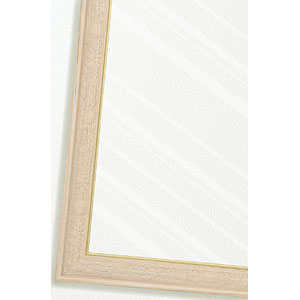
Let’s look at the lifecycle of a typical Studio Ghibli limited‑edition puzzle frame.
Phase 1: The Announcement (T‑Minus 60 Days): The official Donguri Kyowakoku store announces a limited‑run wooden frame featuring intricate carvings of Totoro. The MSRP is set at 4,200 JPY. You see the announcement on their blog and add a reminder to your calendar.
Phase 2: The Pre‑order (T‑Minus 45 Days): You act within 24 hours of the announcement. Using a proxy service, you place the order. Because you act early, you pay exactly 4,200 JPY plus a small proxy fee (roughly 500 JPY). Total cost: 4,700 JPY (~$32 USD). You opt to store it in the proxy warehouse for 30 days while you wait for other items to arrive.
Phase 3: The Market Shift (Post‑Release): Two weeks after the release, the stock is depleted. International resellers who bought in bulk start listing the item on eBay or specialized import sites. Because the supply is gone, the price jumps to $120–$150 USD plus shipping. You see listings appearing at $135.
Phase 4: The Result: By following the release calendar, you saved approximately $90–$120. Over the course of a year, building a collection of 10–12 such items using this method results in a total savings of over $1,000, which can then be reinvested into higher‑end collectibles like limited‑run resin statues or rare, graded trading cards. You haven’t just bought a product; you’ve executed a financial strategy that keeps your collection’s cost‑basis low while maximizing its market value. Furthermore, you now own a piece that is appreciating in value because you acquired it at the "source price."
Caveats and Pro‑Tips
It is important to recognize that the Japanese collectibles market is not for the impatient. Many of the most desirable items are released in limited batches that never see a general re‑release. If you miss the primary window, you may be forced to pay a premium on auction sites like Yahoo! Auctions Japan or Mercari Japan, where condition grading can be inconsistent.
- Condition Grading: On Japanese auction sites, look for the term "新品" (Brand New) or "未使用" (Unused). If you see "中古" (Used), always check the photos for "傷" (scratches) or "汚れ" (stains). Most reputable Japanese sellers are incredibly honest, but always translate the description fully. If a listing says "箱なし" (no box), the value of the item drops by at least 30‑40 % immediately.
- Shipping Insurance: When shipping high‑value items, always opt for EMS or DHL with full insurance. While it costs 2,000–3,000 JPY extra, it is a necessary expense for items that are essentially irreplaceable. If a package arrives damaged, take photos of the box before opening it to file a successful claim.
- The "Gacha" Trap: Avoid impulse buying "blind box" items unless you are prepared to trade. The cost of shipping individual blind boxes can quickly exceed the value of the figure inside. Always aim to buy the full set or individual character listings if available. Often, collectors will sell off the "common" figures from a set to recoup costs; these are the best deals for those who just want the character rather than the thrill of the hunt.
Advanced Collection Management
Once you have surpassed 50 items, you need a system to ensure your collection remains an asset rather than a clutter‑filled burden.
- Digital Inventory: Use a Notion template built for collectors (e.g., the "KADO Japan Collector DB" shared on our Discord) or a dedicated app like Collectorz.com to track each item's purchase date, cost, current market value, and condition. Include a high‑resolution photo of the original packaging. This is vital for insurance purposes; a detailed list with photos and receipts is non‑negotiable for a successful claim after fire or theft.
- The 80/20 Rule: Allocate 80 % of your budget to "grail" items (the pieces you truly love and intend to keep forever) and 20 % to speculative items you might trade or sell later to fund larger purchases. For example, buying two limited‑edition card boxes and selling one later can often pay for the first one entirely, effectively giving you your own "grail" for free.
- Community Engagement: Join niche forums or Discord servers dedicated to Japanese imports (e.g., Ghibli‑Collectors or TCG‑Japan). These communities often share "heads‑up" alerts about restocks or hidden gems that don’t make it to mainstream news sites. Being part of a community also gives you access to a network of trusted traders, which is safer than dealing with unknown entities on public auction sites.
- The Maintenance Cycle: Dedicate one weekend every quarter to dusting and inspecting your collection. Check for signs of "plasticizer migration" (sticky residue on figures), which is common in older PVC figures. If you find this, a gentle wipe with a damp cloth and mild soap (followed by immediate drying) can save the figure from permanent surface degradation.
Action Items
- Bookmark the official news pages: Create a folder in your browser for the official news pages for your top three favorite Japanese franchises to catch product announcements before they hit global news. Check these every Monday morning.
- Audit your current storage: Audit your current storage solutions and replace any non‑archival materials with acid‑free sleeves or UV‑protected display frames. Your collection is an investment; treat it like one.
- Sign up for the KADO Japan newsletter: Sign up for the KADO Japan newsletter to receive updates on new, authentic product arrivals and collection management tips.
- Create a dedicated "Imports" budget: Create a dedicated "Imports" budget line item to avoid overspending during high‑volume release months like December or the lead‑up to major anime conventions, where manufacturers tend to drop their most expensive, limited‑edition goods.
- Join a Proxy Service: If you haven't yet, register for a proxy service like Buyee or ZenMarket today and spend 30 minutes navigating their interface to understand how to copy/paste Japanese search terms into their search bar.
For more guides on building your collection, subscribe to our newsletter at /newsletter.
KADO Japan