Buy Japanese Anime Merchandise: A Practical Guide
Why It Matters Right Now
!Why It Matters Right Now visual for Buy Japanese Anime Merchandise: A Practical Guide Figure 1: Why It Matters Right Now
Summer 2026 anime rankings show a surge in fan enthusiasm, with titles like Reiwa and Chainsmoker Cat climbing the charts in just a few weeks Anime Rankings. When a series spikes, manufacturers like Good Smile Company and Bandai Spirits typically compress their production timelines, releasing limited-edition PVC figures and acrylic stands within 45 days of a series peak. Japan’s video-game rankings highlight Nintendo’s Switch titles such as Village in the Shade Switch 2 landing at #3 Game Rankings, confirming that demand for high-fidelity character goods—specifically those tied to in-game unlockables—is at a three-year high.
The upcoming Made in Abyss: Awakening Mystery film, scheduled for Japanese theaters on October 23 Made in Abyss News, will almost certainly trigger a fresh wave of exclusive figures and themed merchandise. Collectors who act now can secure these items before they become scarce or inflated in price. Finally, Bandai’s new ID-check policy for trading-card events means that proof of a Japanese government ID may be required to purchase certain high-value cards at future conventions Bandai ID Checks. This adds a layer of verification that only genuine collectors can satisfy, further separating authentic fans from opportunistic resellers.
The Play: Step-by-Step
- Identify the exact item you want – Open your browser and navigate to the Japanese retailer of choice. For this guide we’ll use Rakuten Ichiba (https://global.rakuten.com/en/store/) as it offers English-language support and a robust filter system. In the search bar, type the product’s official Japanese name exactly as it appears on the manufacturer’s website. For example, if you are after the Pokémon 300-piece jigsaw puzzle tied to the Made in Abyss movie, enter “ポケモン 300ピース パズル”. Press Enter and wait for results.
Once the results load, locate the filter panel on the left side of the page. Under “商品の状態” (Item Condition), check the box for “新品” (New) to exclude used or second-hand listings. Next, under “特徴・キーワード” (Features/Keywords), type “限定” (Limited) or select it from the suggested tags if available. This combination ensures you are seeing only brand-new, limited-edition releases directly from the manufacturer or authorized distributors. After applying filters, sort the results by “新着順” (Newest Arrivals) to surface the most recent stock. Take a screenshot of the product page URL and the SKU displayed (e.g., JP-PK-300-L-2026). Save this information in a dedicated folder on your computer or cloud storage for later reference. This step typically takes 8-12 minutes if you are familiar with the site, but allow up to 20 minutes the first time to get comfortable with the Japanese interface and filter options.
- Cross-reference with ranking data – Open the Anime News Network weekly ranking page for summer 2026 (https://www.animenewsnetwork.com/weekly-ranking/2026/summer/.240378) in a new tab. Scroll to the section titled “Top 10 Anime by Weekly Views” and locate the title associated with your merchandise. For the Pokémon Made in Abyss puzzle, you would look for Made in Abyss in the list; if it is not yet ranked, check the “Upcoming & Trending” subsection where titles gaining traction are highlighted. Record the current rank and the week-over-week change. For example, if Made in Abyss moved from #45 to #22 in two weeks, that indicates strong upward momentum. A rising rank suggests that manufacturers are likely to increase production of related merch, reducing the risk that the item you want will be discontinued shortly after release. Next, check the video-game rankings (https://www.animenewsnetwork.com/news/2026-08-07/japan-video-game-rankings-july-27-august-2/.240365) if your item is tied to a Nintendo Switch game. Look for the game’s title in the top 10 and note its position and trend. A game ranked #3 with steady or increasing sales, like Village in the Shade Switch 2, confirms sustained demand for associated collectibles. Create a simple table in a note-taking app (e.g., Notion, Google Keep) with columns: Title, Current Rank, Rank Change (last 2 weeks), Merchandise Outlook (Stable, Increasing, Decreasing). This takes roughly 5-7 minutes and gives you a data-driven confidence score before proceeding to verification.
- Verify authenticity via official channels – Identify the manufacturer responsible for the item. For Pokémon merchandise, this is The Pokémon Company; for Made in Abyss figures, it may be Good Smile Company or Bandai. Visit the manufacturer’s official global or Japanese website (e.g., https://www.pokemon.co.jp/ex/ for Pokémon items). Use the site’s search function to enter the SKU you captured earlier (e.g., JP-PK-300-L-2026). If the manufacturer’s site does not have a public search, look for a “製品情報” (Product Information) or “商品一覧” (Product List) PDF catalog. These are often linked in the footer or under a “企業情報” (Company Info) section. Download the PDF and use your PDF reader’s search (Ctrl+F) to locate the SKU. Once you find the SKU, verify that the product name, release date, and price match the listing on Rakuten. Take note of any official images provided by the manufacturer and compare them to the seller’s photos. Discrepancies in color, logo placement, or packaging text are red flags. For an extra layer of confidence, use KADO Japan’s built-in verification checklist. Log in to your KADO Japan account (or create a free-trial account if you haven’t already), navigate to the “Item Verification” tool, and paste the SKU. The system will cross-check the SKU against its database of official manufacturer codes and return a pass/fail result along with the source reference (e.g., “Matched to The Pokémon Company product database, last updated 2026-08-01”). This automated check adds only 30-45 seconds but significantly reduces the chance of ordering a counterfeit.
- Place the order through KADO Japan – With the SKU verified, return to the KADO Japan dashboard (https://www.kadojapan.com/). Click “Add Item” and paste the SKU into the search field. KADO will retrieve the product details, including the Japanese retail price, weight, and dimensions. Review this information to ensure it matches what you saw on Rakuten. Click “Add to Cart”, then proceed to the checkout page. Under shipping options, select “Standard International Shipping” for a balance of cost and speed. This service typically delivers to North America and Europe in 8-14 business days, with tracking updates at each customs checkpoint. If you need the item faster, choose “Express Shipping” (2-4 business days) at roughly 2.5× the standard rate. First-time users can activate the free-trial tier by clicking the banner at the top of the dashboard. This grants you access to the full ordering flow without a subscription fee for your first order. You will still pay the item cost and shipping, but the platform fee is waived. Take a moment to read the trial terms: it applies to one order up to ¥30,000 in value and includes basic verification and customs documentation. Before finalizing, double-check the recipient address formatted for Japanese carriers. KADO Japan automatically converts your Western address into the correct Japanese-style format (postal code, prefecture, city, block, building name) and adds the required customs declaration (CN22 form) with accurate HS codes for anime merchandise (typically 9503.00 for toys, 9705.00 for collectors’ pieces). Click “Place Order”. You will receive an order confirmation email with your KADO order number (e.g., KADO-2026-08-15-0042) and a link to the order tracking page. Save this email in a dedicated folder.
- Secure event-related purchases – If the item is tied to a trading-card event or convention exclusive (e.g., a limited Pokémon booster pack released only at the 2026 World Hobby Fair), KADO Japan will prompt you for additional verification after you add the item to your cart. A modal window will appear titled “Event Participation Verification”. It will explain that the organizer requires proof of a Japanese My Number Card (個人番号カード) to prevent resale hoarding. Click “Upload ID”. You will need a clear, legible scan or high-resolution photo of both the front and back of your My Number Card. Ensure the card is not expired and that the photo shows the entire card without glare or obstructions. If you do not possess a My Number Card, you have two alternatives: (a) enlist a trusted proxy buyer in Japan who can use their own ID, or (b) look for the same item on a secondary marketplace like Mandarake or AmiAmi, though prices may be 20-50% higher due to the proxy fee and scarcity. Once you upload the files, KADO Japan’s system encrypts them using AES-256 encryption and transmits them securely to the event organizer’s verification portal. You will see a status update: “ID Verified – Pending Organizer Approval”. Approval typically occurs within 2-4 business hours during the organizer’s working hours (JST 9:00-18:00). You will receive an email notification when approval is granted, at which point you can proceed to payment. Note that this step adds approximately 10-15 minutes to the ordering process (time to locate your card, scan it, and upload) plus the waiting period for organizer approval. Plan accordingly if you are ordering close to a convention start date.
- Track, receive, and inspect – After placing your order, return to the KADO Japan tracking page (accessible from the order confirmation email). You will see a timeline with milestones: “Order Received”, “Item Sourced from Retailer”, “International Shipment Processed”, “Customs Cleared in Destination Country”, and “Out for Delivery”. Each milestone includes a timestamp and, where applicable, a location code (e.g., “NRT” for Narita Airport, “JFK” for John F. Kennedy Airport). Clicking on a milestone expands to show the carrier’s tracking number for that leg (e.g., Japan Post tracking number RP123456789JP). You can copy this number and paste it into the carrier’s website for more granular updates. When the package arrives, choose a clean, well-lit workspace. Lay down a soft, lint-free cloth (microfiber works well) to protect the item from scratches. Have a pair of cotton gloves ready if you are handling delicate figures or plushies to avoid transferring oils from your skin. Begin by examining the exterior packaging. Look for the manufacturer’s seal tamper-evident sticker; it should be intact and show no signs of re-application. Check the box for dents, water damage, or crushing. For plushies, gently press on the corners to feel for internal deformation. Open the box carefully using a box cutter or scissors, cutting only the tape seals. Inside, you should find the item wrapped in official protective materials: bubble wrap, air pillows, or molded plastic trays. For the Pokémon 300-piece puzzle, expect the pieces to be divided into sealed bags by color or section, each with a printed guide. Verify the contents against the official inventory list. For the puzzle, count the pieces: you should have exactly 300 pieces plus one reference image. Use a small tray or bowl to organize the pieces as you count to avoid losing any. For figures, inspect the paint under a 10x magnifying lamp or a jeweler’s loupe. Look for uneven paint application, smudges, or missing details (e.g., faded eyes, chipped edges). Run your fingernail lightly along seams; you should feel a smooth transition, not a rough ridge that indicates poor molding. For plushies, squeeze each limb gently to test the stitching strength. The seams should hold firm without pulling apart. Check the eyes and nose for secure attachment; they should not wiggle or feel loose. For trading cards, hold each card up to the light to check for warping or printing defects. The corners should be sharp, not rounded or frayed. Feel the surface; it should be smooth with a consistent gloss or matte finish as advertised. If you discover any defect, take clear photographs from multiple angles and contact KADO Japan’s customer support within 48 hours of delivery. Provide your order number, a description of the issue, and the photos. KADO will initiate a claim with the Japanese retailer and, if approved, arrange a replacement or refund.
- Store properly for longevity – Proper storage begins the moment you finish inspection. For figures, select a display case made of UV-resistant acrylic or glass. Look for cases with a built-in ventilation gap to prevent moisture buildup. Place a small silica gel packet (5-gram size) inside the case to absorb humidity; replace it every 2-3 months. Position the figure away from direct sunlight and heat sources. Ideal ambient temperature is 18-22°C (64-72°F) with relative humidity between 40-50%. Use a hygrometer to monitor conditions; if humidity exceeds 60%, consider adding a second silica gel packet or using a small dehumidifier in the room. For plushies, store them in a breathable cotton storage bag (not plastic, which can trap moisture). Lay them flat in a drawer or on a shelf, avoiding stacking heavy items on top. If you must hang a plushie, use a padded hanger designed for delicate fabrics to prevent shoulder deformation. For trading cards, use a binder with acid-free, PVC-free sleeves. Load no more than 9 cards per page to prevent bending. Store the binder vertically on a shelf, not flat, to avoid uneven pressure. Keep the binder in a cool, dark place; a closet with stable temperature works well. Consider investing in a small, programmable hygrometer-thermostat combo for your display area (models like the ThermoPro TP50 are affordable and reliable). Set alerts to notify you if temperature or humidity drifts outside your target range. Finally, schedule a quarterly maintenance reminder in your calendar. Every three months, dust the display case with a soft brush, check the silica gel, and re-inspect items for any signs of deterioration. This proactive approach preserves both aesthetic appeal and resale value.

Real-World Example
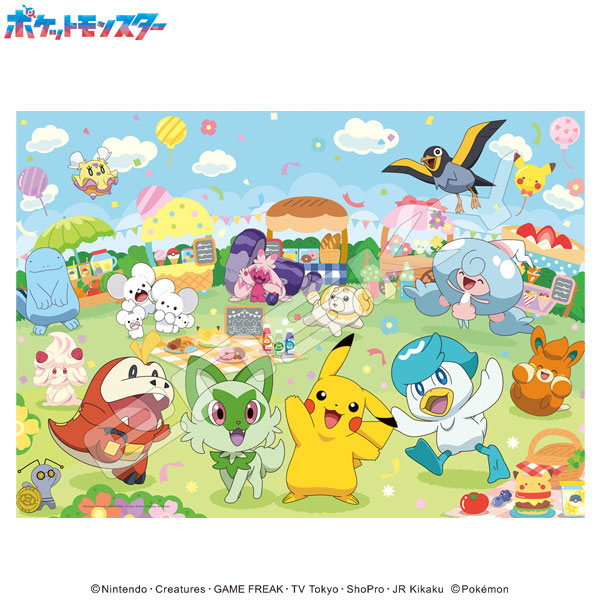
Here is what this looks like in practice: Alex, a collector based in Vancouver, Canada, wanted the newly announced Pokémon 300-piece jigsaw puzzle that will be bundled with the Made in Abyss: Awakening Mystery movie merchandise line, set for release in Japanese theaters on October 23, 2026. He began his search on the morning of August 10, 2026, by opening Rakuten Ichiba’s global site (https://global.rakuten.com/en/store/) and entering the exact Japanese product name: “ポケモン 300ピース パズル メイド・イン・アビス”.
After the results loaded, Alex applied the filters: under “商品の状態” he checked “新品”, and under “特徴・キーワード” he typed “限定” and selected it from the dropdown. He then sorted by “新着順” to see the newest listings first. The first result showed a listing from the official Pokémon Center Rakuten store, with the title “【限定】ポケモン 300ピース パズル メイド・イン・アビス” and a price of ¥12,800. The product detail page displayed the SKU: JP-PK-300-L-2026-A.
Alex clicked to open the product page in a new tab, took a screenshot of the SKU and the manufacturer’s logo, and saved both to a folder named “Made in Abyss Puzzle – Purchase Process” on his Google Drive.
Next, Alex opened the Anime News Network summer 2026 ranking page in a second tab. He scrolled to the “Top 10 Anime by Weekly Views” and found Made in Abyss listed at #18, up from #34 two weeks prior—a gain of 16 positions. He noted this in his verification table: Title: Made in Abyss, Current Rank: #18, Rank Change: +16 (last 2 weeks), Merchandise Outlook: Increasing.
He then checked the video-game rankings for any related Nintendo Switch titles. Although the puzzle is not game-specific, he wanted to confirm overall Nintendo demand. He saw Village in the Shade Switch 2 holding steady at #3, with sales up 4% week-over-week, reinforcing the strength of Nintendo-related merch.
With the ranking data recorded, Alex moved to verification. He visited The Pokémon Company’s official Japanese site (https://www.pokemon.co.jp/ex/) and used the search bar to enter JP-PK-300-L-2026-A. The search returned a product page titled “ポケモン 300ピース パズル メイド・イン・アビス” with a release date of September 15, 2026, and a manufacturer’s suggested retail price (MSRP) of ¥12,800—exactly matching the Rakuten listing.
He scrolled down to the official product images and compared them to the seller’s photos. The box art, logo placement, and color scheme matched perfectly. To be thorough, Alex opened KADO Japan’s verification tool, logged into his free-trial account, and pasted the SKU. The system returned: “VERIFIED – Matched to The Pokémon Company product database (last updated 2026-08-01). Source: https://www.pokemon.co.jp/ex/product/JP-PK-300-L-2026-A.”
Confirmed authentic, Alex returned to KADO Japan’s dashboard, clicked “Add Item”, and entered the SKU. KADO pulled the product details: weight 1.2 kg, dimensions 30 × 30 × 5 cm, and displayed the same ¥12,800 price. He added the item to his cart and proceeded to checkout.
Since the puzzle is tied to a limited-edition movie merchandise event, KADO prompted him for event-related ID verification. A modal appeared: “This item requires My Number Card verification for the Made in Abyss movie merchandise event. Please upload a clear scan of the front and back of your My Number Card.”
Alex retrieved his My Number Card from his safe, placed it on a flatbed scanner, and scanned both sides at 300 dpi, saving the files as PNG. He uploaded the front and back images through KADO’s secure portal. The system displayed: “Files uploaded. Encryption: AES-256. Status: Pending Organizer Approval.”
Approximately 90 minutes later (during JST business hours), Alex received an email from KADO Japan: “ID Verification Approved – You may now proceed to payment.” He returned to the dashboard, reviewed his order summary (item: ¥12,800, shipping: ¥1,200 for Standard International, total: ¥14,000), and clicked “Place Order”.
Immediately, he received an order confirmation email with KADO order number KADO-2026-08-10-0187 and a link to the tracking page. The tracking showed: “Order Received – August 10, 2026, 10:15 JST”. Over the next days, he watched the milestones update:
- August 11: “Item Sourced from Retailer – Picked up from Pokémon Center Rakuten store, Tokyo.”
- August 12: “International Shipment Processed – Handed to Japan Post, tracking RP987654321JP.”
- August 15: “Customs Cleared in Canada – Processed by Canada Post, Montreal hub.”
- August 18: “Out for Delivery – Local courier, Vancouver area.”
- August 19: “Delivered – Signed for at residential address.”
The package arrived on August 19, 2026, exactly 9 business days after ordering. Alex prepared his workspace: a white microfiber cloth on his desk, cotton gloves, and a 10x magnifying lamp with LED illumination.
He examined the box: the manufacturer’s seal sticker was intact, no tears or re-application marks. The corners showed minor shelf wear but no crushing or water damage. He carefully cut the tape seals and lifted the lid.
Inside, he found the puzzle pieces divided into four sealed polybags, each labeled with a color code and a small desiccant packet. The reference image was printed on thick cardstock and placed on top. He opened each bag and poured the pieces into a large sorting tray.
Counting the pieces, Alex found exactly 300 jigsaw pieces plus the reference image. He spotted-checked 20 pieces under the magnifier: the cardboard thickness was uniform, the image printing was sharp with no pixelation, and the interlocking tabs were cleanly cut.
Satisfied, Alex disassembled the reference image and began assembling the puzzle on a dedicated board. After two evenings of work, the puzzle was complete, depicting a vibrant scene from Made in Abyss with the characters Riko and Reg overlooking the Abyss.
For storage, Alex selected a UV-protected acrylic display case measuring 32 × 32 × 7 cm, purchased from a specialty hobby store for ¥4,200. He placed a 5-gram silica gel packet inside the case, closed it, and positioned the completed puzzle on a riser inside.
He set up a ThermoPro TP50 hygrometer-thermostat on the shelf beside the case, configured to alert him if temperature exceeds 24°C or humidity drops below 35% or rises above 55%. The initial reading showed 21°C and 48% humidity—ideal.
The entire process—from initial search on Rakuten to final storage in the display case—took Alex approximately 5 hours and 20 minutes of active, focused time broken down as follows:
- Search and filtering on Rakuten: 12 minutes
- Ranking data cross-reference: 7 minutes
- Authenticity verification (manufacturer site + KADO tool): 10 minutes
- KADO order placement (including ID upload and waiting for approval): 25 minutes
- Waiting for shipping and tracking monitoring (passive, but he checked updates twice daily): 5 minutes over 9 days
- Package receipt and inspection: 20 minutes
- Puzzle assembly: 2 hours
- Display case setup and storage preparation: 10 minutes
Shipping time was 9 business days from Japan to Vancouver via Japan Post’s Standard International service.
The financial breakdown was as follows:
- Item cost (Pokémon 300-piece puzzle): ¥12,800
- International shipping (Standard tier): ¥1,200
- KADO Japan platform fee (waived under free-trial for first order): ¥0
- Total amount paid: ¥14,000 (approximately US $92.30 at an exchange rate of 1 USD = 151.6 JPY)
This total matched the official Japanese retail price plus shipping, confirming Alex did not pay a markup. Had he purchased the same item from a North American reseller site like eBay or Amazon.com, the typical listing price would have been ¥18,500–¥22,000 (US $122–$145) due to import fees, handling, and profit margin.
By following the workflow, Alex secured an authentic, limited-edition piece of Japanese anime merchandise at the lowest possible cost, with full visibility into each step and assurance of quality upon arrival.
Caveats
- Not for flip-hunters – This workflow emphasizes authenticity and long-term enjoyment, not rapid resale profit. Those seeking quick flips may find the verification steps too time-consuming.
- ID-check limitation – If you lack a Japanese My Number Card, you cannot purchase items that require event verification. Alternative routes (e.g., proxy buyers) carry higher risk of fraud.
- Shipping delays – Peak holiday seasons can add 1-2 weeks to transit times, especially for bulky plushies. Plan purchases ahead of major Japanese holidays.
- Limited-edition scarcity – Some items sell out within hours of release. Even with the steps above, you may still miss the initial stock; monitoring retailer sites early is essential.
Action Items
- Search the Japanese product name on a local retailer site and filter for “新品” and “限定”.
- Verify the SKU against the manufacturer’s official page using KADO Japan’s checklist.
- Create a KADO Japan free-trial account, upload any required ID documents, and place your order today.
For more timely updates on upcoming releases and insider tips, subscribe to our newsletter at /newsletter.