Studio Ghibli Noritake Ceramics: Collector Guide
Title: Studio Ghibli Noritake Ceramics: Collector Guide
Acquiring authentic Studio Ghibli Noritake ceramics directly from official Japanese distribution channels requires precise timing, accurate product identification, and specialized shipping prep. Studio Ghibli’s long-standing partnership with Noritake—one of Japan’s most prestigious tableware manufacturers founded in 1904—produces some of the most sought-after fine china and bone china pieces in the character goods market. Because these releases are produced in limited production runs and tailored primarily for the Japanese domestic market, overseas collectors often face steep secondary markups, counterfeit risks, or damaged fragile goods when purchasing through unverified international resellers.
This guide is for serious anime art collectors, fine tableware enthusiasts, and Ghibli fans who want to buy official annual release ceramics directly from Japan at domestic retail prices while ensuring zero transit damage. By understanding how Ghibli and Noritake schedule their manufacturing runs, how to verify official backstamps, and how to instruct Japanese forwarders on ceramic packing standards, you can secure pristine pieces for your collection season after season.
Stepping away from casual eBay browsing in favor of direct domestic sourcing requires understanding how Japanese release windows operate. When you buy straight from domestic allocations, you eliminate third-party markup, guarantee official Ghibli Studio licensing, and keep delicate bone china safe by controlling the repackaging parameters before the parcel ever crosses the Pacific.
Why It Matters Right Now
!Why It Matters Right Now visual for Studio Ghibli Noritake Ceramics: Collector Guide Figure 1: Why It Matters Right Now
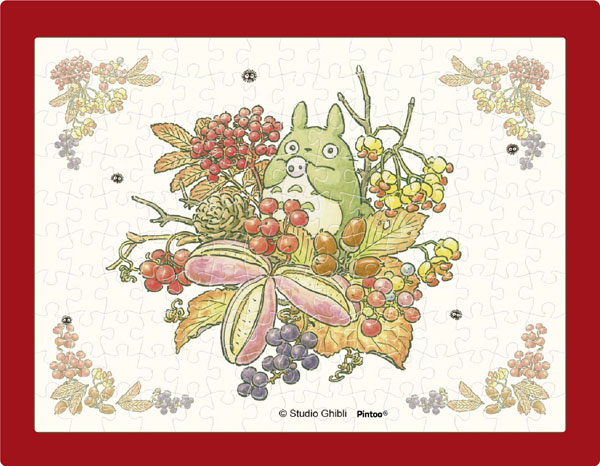
The domestic Japanese market for character merchandise is doubling down on high-end, heritage-tier craftsmanship. Studio Ghibli recently announced its latest collaboration item: the official My Neighbor Totoro Yearly Plate for 2027, manufactured in partnership with Noritake, as reported by Studio Ghibli unveils new My Neighbour Totoro Yearly Plate for 2027. These annual plates represent a multi-decade tradition where Noritake applies fine ceramic glaze and gold leaf accents to original Ghibli illustrations. Because each year's plate design is produced strictly for its designated calendar cycle, stock vanishes rapidly once domestic pre-orders close.
This shift toward high-concept, physical exclusives spans the entire Japanese entertainment landscape right now. Nintendo recently announced consecutive Nintendo Direct and The Legend of Zelda presentations, detailed by Nintendo Announces Back-to-Back Presentations for The Legend of Zelda and Nintendo Direct on September 8-9, triggering immediate pre-order waves for companion collectibles and gaming hardware accessories. Square Enix is driving similar demand with new monster-wrangling previews for Dragon Quest Monsters: The Withered World ahead of its multi-platform launch, covered by Dragon Quest Monsters: The Withered World Game's Video Previews Monster Wrangling.
Beyond traditional tabletop merchandise, Japanese franchises are creating immersive physical touchpoints to anchor fan demand. We are seeing everything from overnight stays inside giant Poké Balls in northern Japan, as covered in Sleep in Human-Sized Poké Ball in the Hokkaido Woods, to monumental musical tributes like Masayoshi Oishi's 22-minute anniversary track honoring all 1,025 Pokémon, highlighted by [New Pokémon anniversary song is 22 minutes long, features all 1,025 Pokémon species [Video]](https://soranews24.com/2026/09/04/new-pokemon-anniversary-song-is-22-minutes-long-features-all-1025-pokemon-species-video). For ceramic collectors, this overall surge in franchise engagement translates to tighter domestic allocations and faster sell-outs on boutique collaborations like Noritake Ghibliware.
The Play: Step-by-Step
!The Play: Step-by-Step visual for Studio Ghibli Noritake Ceramics: Collector Guide Figure 2: The Play: Step-by-Step
Step 1: Monitor Official Studio Ghibli Donguri Sora Release Announcements
Search the official Donguri Sora online shop (the official retail store for Studio Ghibli goods in Japan) and set up site updates for new Noritake product listings. Donguri Sora typically updates its catalog during early morning hours JST (between 8:00 AM and 11:00 AM). To optimize this, use a browser extension like Distill Web Monitor or Visualping to track specific HTML elements on the "New Arrivals" or "Ceramics" categories.
Focus on tracking the product tags for fine china, bone china, and annual collector plates. Establishing direct monitoring of the official distributor calendar gives you a 48-to-72-hour lead time before Western social media accounts begin sharing the product news, ensuring you can secure pre-order slots prior to stock depletion. For example, when the 2027 Totoro plate is listed, the window for "First Batch" reservations may only be open for 48 hours before the site switches to a "Waitlist" or "Sold Out" status. Expected time required: 15 minutes per week to check catalog updates.
Step 2: Confirm Noritake Manufacturing Codes and Product Backstamps
Cross-reference any listing image or product spec against Noritake's official porcelain numbering system. Authentic Studio Ghibli Noritake ceramics always display a dual backstamp on the underside of the piece: the official Studio Ghibli copyright stamp (usually a small, crisp black ink mark) alongside the registered Noritake maker’s mark (often a stylized "N" or a full Noritake logo in gold or blue).
Pay close attention to the material descriptions. Authentic pieces will be listed as "Bone China" (characterized by a translucent, milky-white quality and high strength) or "Fine Porcelain." If a listing uses generic terms like "ceramic plate" or "earthenware," it is likely a lower-tier novelty item rather than a Noritake fine china piece. Check for the presence of 24k gold leaf accents on the rim; authentic Noritake Ghibli plates use a specific high-fire gold glaze that does not peel or flake. Verifying these exact specs ensures you are buying genuine Noritake fine china manufactured in Japan or under Noritake's direct quality control. Expected time required: 10 minutes per item evaluation.
Step 3: Establish a Verified Japanese Proxy or Freight Forwarding Account
Register with a reputable Japanese proxy service (like Buyee, ZenMarket, or FromJapan) or a dedicated package forwarder (like Tenso) that provides a physical warehouse address in Japan. Because official outlets like Donguri Sora and Noritake’s Japanese webstore generally do not ship directly to international residential addresses, a local domestic address is required.
When selecting a service, prioritize those that offer "Item Inspection" and "Custom Repacking." This is critical for ceramics. You need a service that will open the package, photograph the item to ensure it arrived at the warehouse undamaged, and then apply industrial-grade packing. Using a verified domestic address prevents order cancellations triggered by store anti-export filters, which often flag addresses that are known to be low-cost, high-volume shipping hubs. Expected time required: 20 minutes for account setup and identity verification.
Step 4: Submit Pre-Orders Within the Initial Allocation Window
Place your pre-order immediately when the reservation window opens. For items like the yearly Totoro plates, initial production runs are capped by factory capacity at Noritake's production facilities in Gifu Prefecture. If you miss the first 24 hours, you risk being moved to a second allocation batch, which may be delayed by several months or canceled entirely if the first run exceeds demand.
Fill out your forwarder's address details using exact Japanese character formatting (Kanji/Kana) or standard full-width romanization as requested by the store checkout form. A common mistake is using standard Western address formats, which can trigger automated "Invalid Address" errors in Japanese e-commerce systems. Ensure your phone number is formatted with the correct Japanese area code provided by your proxy. Expected time required: 15 minutes during release window.
Step 5: Order Fragile Packing Protocols and Custom Wooden/Double-Box Packaging
When your ceramic item arrives at your Japanese forwarder's warehouse, do not simply authorize "Standard Shipping." Request special fragile handling. The standard process for many forwarders is to simply put the manufacturer's box into a slightly larger shipping box with minimal padding—this is a recipe for disaster with bone china.
Specifically request the following:
- Double-Boxing: The original Noritake presentation box should be wrapped in 2-3 layers of large-cell bubble wrap, then placed inside a rigid inner box, which is then placed inside a larger, heavy-duty outer carton.
- Void Fill: Request that the gap between the inner and outer box be filled with high-density expanding foam or tightly packed air cushions (not just crumpled newspaper).
- Reinforcement: Request "Fragile" and "This Side Up" stickers in both English and Japanese (壊れ物注意).
Fine bone china plates and teacups are vulnerable to edge chipping and thermal shocks. Paying an additional $10–$20 for reinforced packaging is a mandatory insurance policy. Expected time required: 10 minutes to submit custom packaging instructions.
Step 6: Verify Import Harmonized System (HS) Tariff Codes for Ceramics
Review the customs documentation filled out by your package forwarder prior to international export. Many proxy services use generic categories like "Gift" or "Home Decor," which can lead to delays. Ensure porcelain tableware is properly classified under HS Code 6911.10 (Tableware and kitchenware of porcelain or china).
Improper classification under general plastic or decorative goods can cause customs holds, unexpected import duties, or clearance rejections at destination ports. In some countries, ceramics are subject to specific import taxes; by using the correct HS code, you can calculate your exact duty costs upfront rather than being surprised by a customs broker's bill upon delivery. Correct classification ensures rapid clearance through national customs agencies without extra fees. Expected time required: 10 minutes for customs declaration review.
Step 7: Conduct Unboxing Inspection and Backstamp Authentication
Upon delivery, do not open the package immediately. Inspect the outer carton for any punctures, crushed corners, or water damage. If the box is severely damaged, take photos before opening.
Record a continuous, unedited unboxing video. This video must show:
- The shipping label clearly.
- The sealed tape of the outer box.
- The process of removing the item from the packaging.
- A close-up of the physical plate surface and the dual Ghibli/Noritake bottom logo.
Turn the piece over to inspect the gold foil details under a bright light to ensure there are no "pinholes" or glaze pops. Immediate video documentation provides clear proof if you need to submit an insurance claim for shipping damage or report a seller discrepancy to your payment provider. Expected time required: 15 minutes upon package delivery.
Real-World Example
Here is what this looks like in practice for a collector acquiring the official My Neighbor Totoro Yearly Plate direct from Japan:
A collector tracks the annual Ghibli fine china announcement in early September. Rather than waiting for international import shops to list the piece at double the price, the collector opens an order workflow directly with a Japanese warehouse provider in Tokyo.
The domestic retail pre-order price in Japan for a standard Noritake Ghibli yearly plate typically runs around 6,000 yen to 8,000 yen (roughly $40 to $55 USD depending on current exchange rates), compared to Western reseller listings that often demand $110 to $150 USD plus unoptimized shipping fees. The collector submits the purchase request through their proxy service within 2 hours of the pre-order launch, securing a spot in the primary distribution allocation.
Three months later, when Noritake completes the firing and finishing process, the item ships domestically from the distributor warehouse to the Tokyo forwarder in 2 business days. The package arrives in its factory-sealed Noritake gift box, complete with gold foil branding and Japanese care documentation.
The collector selects the "Premium Fragile Consolidation" service through the forwarder dashboard. The forwarder performs the following:
- Wraps the original product box in 4 inches of high-density bubble wrap.
- Places the wrapped box into a 200-lb test double-walled cardboard shipping carton.
- Fills all remaining voids with air-cushion pillows to prevent internal movement.
- Seals the box with reinforced fiberglass tape.
Total volumetric package weight comes out to 1.8 kilograms. The collector selects DHL Express air shipping with full tracking and transit insurance covering the full declared value of the item. Total transit time from Tokyo to the collector's doorstep in the United States takes 4 business days.
Upon unboxing, the continuous video record shows pristine gold leaf work on the plate rim, intact glaze, and zero surface fractures. The total expenditure breakdown is as follows:
- Plate Cost: $50 USD
- Proxy Handling Fee: $5 USD
- Fragile Repacking Fee: $12 USD
- Insured Express Air Freight: $25 USD
- Total Landed Cost: $92 USD
This is significantly lower than the $140+ USD typical of secondary retail sites, while guaranteeing 100% official authenticity directly from the original maker.
Caveats
Direct importing saves money and gets you authentic pieces, but importing delicate Japanese bone china carries specific hazards every collector should watch for:
- Factory Lead Times & Card Holds: Annual plates operate on strict 3-to-4-month factory firing schedules. When you pre-order in September for a December ship date, Donguri Sora or your proxy will lock those funds immediately. Noritake plans its kilns directly against pre-order quantities, meaning cancellations or chargebacks once the reservation window closes are virtually impossible.
- Brittleness & Thermal Shock Risks: Fine bone china contains calcium phosphate, giving it translucency but making it susceptible to micro-fractures during high-altitude air transit if dropped. Relying on default factory packaging inside a standard poly-mailer or thin outer box will result in shattered ceramic rims. Standard carrier insurance frequently denies claims if the external box lacks double-walled structural support.
- Proxy TOS Disclaimers: Certain major proxy services quietly exclude all glass, porcelain, and fine china from their standard loss and damage protection policies. If Buyee or ZenMarket receives your plate in pristine condition but standard shipping shatters it, they will reject your claim unless you specifically paid for their mandatory insured fragile repacking service.
- Anti-Fraud & Address Caps: Ghibli Noritake releases strictly enforce purchase caps of 1 to 2 items per home address. If multiple international buyers submit proxy orders targeting the same warehouse intake address within minutes, automated anti-bot checks at Donguri Sora can black-list the warehouse suite number and instantly cancel all linked reservations.
Action Items
- Register a dedicated account with a Japanese freight forwarder or proxy service that explicitly offers fragile item repacking and glass/ceramic insurance coverage.
- Set up bookmark alerts or a web-monitoring tool for the official Donguri Sora fine china catalog section to catch annual Ghibli Noritake pre-order announcements immediately.
- Prepare a rigid unboxing protocol—including a tripod for your phone to record a continuous video—for every ceramic package arriving from overseas to protect your insurance rights.
- Verify your current budget for the upcoming release cycle, accounting for the estimated $30–$50 in shipping and handling fees on top of the retail price.
To stay updated on authentic Japanese collectible releases, import strategies, and official franchise news, subscribe to our newsletter at /newsletter.
KADO Japan